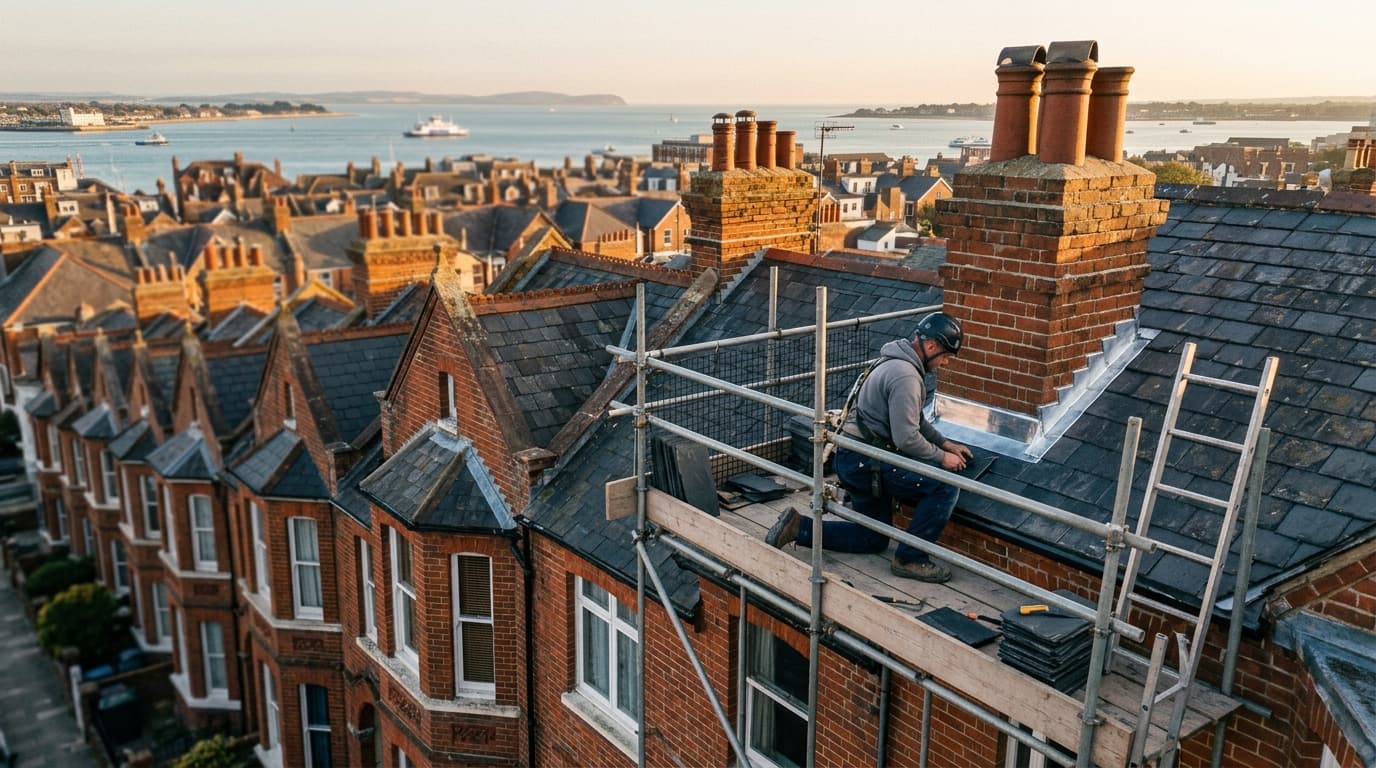
Tiled Conservatory Roofs in Cocking
Replace a polycarbonate or glass conservatory roof with a solid tiled roof for year-round comfort.
Tiled Conservatory Roofs in Cocking
Cocking customers looking for tiled conservatory roofs turn to West Sussex Roofing. Conservatories with polycarbonate or glass roofs are uncomfortable for much of the year — cold in winter, uncomfortably hot in summer, and noisy in rain. Replacing the roof with a properly insulated solid tiled roof turns a conservatory into a usable room that feels like a natural extension of the house. Solid tiled conservatory roofing uses lightweight tile systems specifically engineered for conservatory frames, meeting building regulations thermal requirements while reducing heat loss in winter and solar gain in summer. Most installations require no change to the existing conservatory frame, since modern lightweight systems are designed to work within standard load limits — though a structural assessment at survey stage confirms suitability for each specific property. Cocking sits directly beneath the South Downs escarpment on the old A286, with the chalk downland rising steeply immediately to the south — a position hard against the hillside that catches strong, funnelling winds villages further out on the plain simply don't experience. Ridge and hip tiles take a real battering here compared with a sheltered inland village, and wind-lifted or displaced tiles show up on inspection more often than a few miles away.
Why Choose West Sussex Roofing in Cocking?
West Sussex Roofing brings the same standard of tiled conservatory roofs to every property in Cocking, West Sussex. Replace a polycarbonate or glass conservatory roof with a solid tiled roof for year-round comfort.
Key Benefits
- ✓A lightweight tile system engineered to work within standard conservatory frame limits
- ✓Meets building regulations thermal performance requirements
- ✓A structural assessment at survey confirms suitability before any work starts
What Affects Tiled Conservatory Roofs in Cocking
Housing stock
Flint and brick cottages in the older centre, with more recent housing along the approach roads. A conservatory roof conversion is common across both older properties with a traditional-style conservatory and modern homes with a more recent glazed extension.
Weather exposure
Inland — no coastal exposure, but one of the more wind-exposed village positions in the county. In exposed coastal towns, a well-insulated solid roof also cuts down on the noise and heat-loss problems that a wind-battered glazed roof makes worse.
Planning & designation
Within the South Downs National Park. On a listed building or in a conservation area, even a like-for-like conservatory roof conversion can need planning or building control sign-off checked upfront.
Access
Position hard against the escarpment means funnelling winds that villages further out on the plain don't experience. Access for a conservatory roof job is usually straightforward, being a single-storey structure, though rear garden access still needs confirming beforehand.
Tiled Conservatory Roofs in Cocking — FAQ
Converting from glazed to solid typically requires a building regulations application for thermal performance, but doesn't usually need planning permission provided the conservatory itself was permitted. A local roofer can manage the building control process.
Modern lightweight tiled conservatory roofing systems are designed to work within the load limits of standard conservatory frames. A structural assessment at survey stage confirms suitability — the great majority of properties don't need frame alterations.
It depends on the size of the conservatory and any finishing work required, including handover to a plasterer for the interior ceiling. A local roofer will give you a realistic schedule at quote stage.
Tiled Conservatory Roofs in Nearby Areas
Ready for Your Tiled Conservatory Roofs in Cocking?
Book your free no-obligation survey in Cocking today.